A First Gallery Visit Built Around One Work
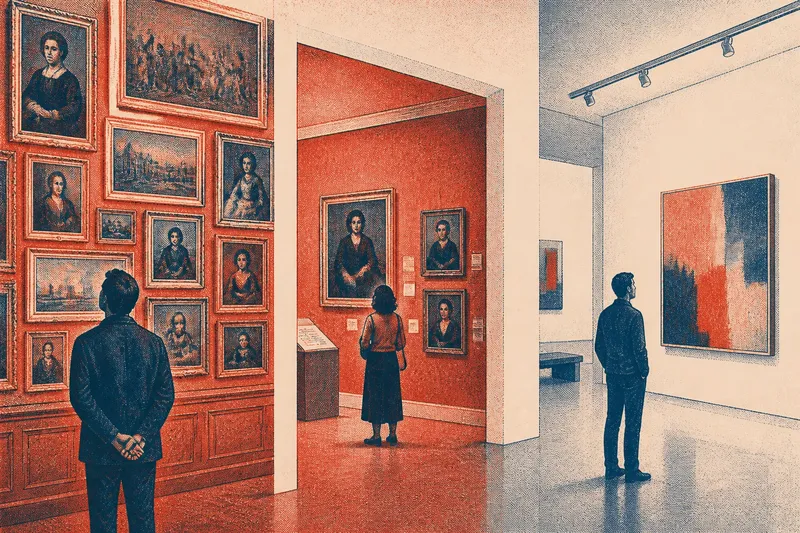
A first gallery visit centered on one artwork can feel easier to navigate, with a simple route, room for breaks, and a memorable detail to carry home.
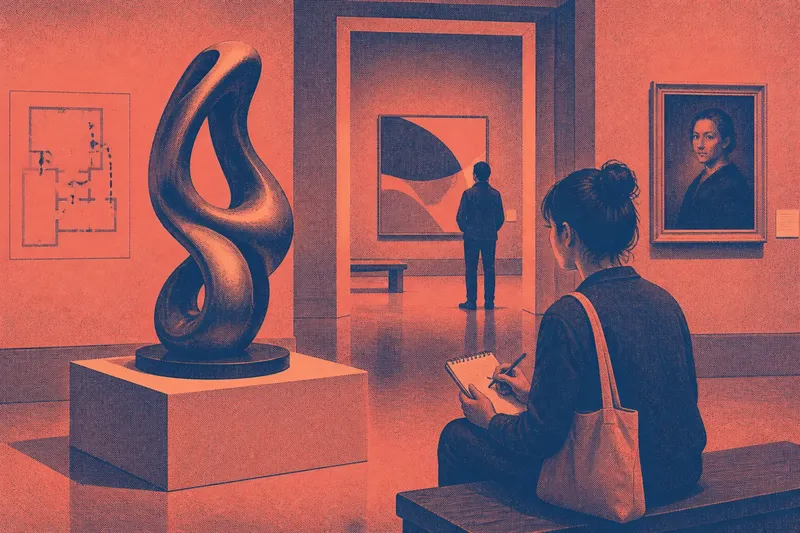
You step into a gallery, hear footsteps echo across the floor, and realize you are not sure where to begin. For a first gallery visit, choosing one artwork as your anchor gives the visit a simple shape: find it, spend time with it, and let it guide what you notice nearby.
This is not a test of attention or a hunt for the right interpretation. It is a way to make the room feel more manageable and to leave with a vivid memory, even if you never settle on what the work means.
Choose an anchor that fits your energy
Take a brief pass through the rooms before settling in. Notice which work catches your attention, surprises you, or makes you want to move closer. It does not need to be your favorite; curiosity is enough.
Think about the visit you want. If the gallery is crowded or you feel tired, choose a work near a bench or in a quieter room. If you are with a friend, pick something both of you can see comfortably. A photograph with an unusual detail, a sculpture that changes as you move, or a painting you cannot quite read can all serve as an anchor.
You can change your choice. If the first work loses its hold once you approach, move on and pick another. The point is to find a workable starting place, not to make a perfect selection.
Use the artwork to plan a small route
Once you have chosen a work, notice what is close to it. A neighboring piece may share a color, material, subject, or shape; a doorway may lead to a room that continues an idea. These connections can suggest where to go next without requiring you to follow every gallery in order.
For a low-pressure visit, make a simple loop: anchor work, one nearby piece, a place to sit or pause, then the anchor again if you wish. Check the gallery map at the entrance, and note practical details such as benches, accessible routes, and areas where photography is restricted. If a room feels too busy, skip it and return later.
Imagine you choose a bronze sculpture near a doorway, and the hypothetical starting point is that you have forty minutes and feel unsure about covering the whole museum. You check the map, follow the accessible route to the sculpture, notice a nearby work with a similarly curved outline, and pause on a bench before retracing your route. The result is a visit with two deliberate stops and a rest, rather than a hurried attempt to see every room; if the route feels tiring, you can leave out the second stop.
Look for visible details and changing viewpoints
Start with what is in front of you. Notice the work’s scale beside your body, where its light and dark areas sit, and what first pulls your attention. Then shift your position, if the gallery allows it, and see whether another detail comes forward.
In a painting, you might spot a repeated mark, an edge that turns soft, or a small patch of color that changes the balance. With sculpture, notice how the surface catches light and how the outline shifts from the side. In video or installation, attend to sound, movement, and the room itself.
Try describing one thing in plain language, as if you were telling a friend who could not see the work. “A narrow red shape sits near the lower edge” is more useful at this stage than “the red means anger.” Concrete description leaves room for interpretation without forcing one.
Move to a comfortable viewing distance, and do not block another visitor. Looking attentively includes sharing the space.
Let your response stay unfinished
Notice what happens to your attention and mood. You might feel calm, impatient, amused, uneasy, or simply unsure. Perhaps one corner keeps drawing you back while another goes unnoticed. These are observations, not grades of artistic knowledge.
Ask what might be prompting your response: the subject, color, scale, material, or something you cannot yet name. You can feel drawn to a work and unsettled by it at the same time.
Say you choose a small portrait that initially seems quiet. You notice the sitter’s turned shoulder, then the direct gaze, and your attention shifts from the pose to the eyes. That change gives you something concrete to remember without requiring you to invent a story about the sitter.
If nothing particular comes up, stay with description. “I like the green” or “I cannot tell what is happening” is a perfectly usable starting point.
Use labels and gallery resources selectively
A wall label can give you the artist’s name, title, materials, and context, but you do not have to read every panel. If basic identification would help, scan that part; if you would rather keep moving, use the gallery map or audio guide to find practical information and save the rest for later.
Other resources can shape the visit in different ways. A docent-led tour offers conversation and a shared route, while an audio guide lets you pause or skip at your own pace. A printed handout or museum app can help you locate a particular room. Choose the format that matches your energy, and set it aside if it starts to compete with looking.
When a label or guide catches your interest, use it to choose a next stop or a question to carry through the room. A note about printmaking, for instance, might send you toward another work on paper. Context can widen your route without dictating what you must think about the artwork.
What helps when a first gallery visit feels uncertain?
Do I need to see every room?
No. Pick a destination that interests you, and treat nearby rooms as optional. If your energy drops, stop at a bench or leave the rest for another visit.
What should I bring to a gallery?
Bring only what you are comfortable carrying, and check the museum’s bag and photography rules before you go. A phone can hold a map or a short note, while a small notebook works if you prefer writing by hand.
Can I visit a gallery alone?
Yes. Going alone lets you change pace or route without coordinating, but you can also join a tour or ask the front desk for directions. Choose the arrangement that makes the visit feel comfortable.
What if I need a break?
Look for seating on the map or ask staff where you can pause. If you cannot find a comfortable place nearby, move to the entrance area or end the visit and return another day.
Carry one useful detail into the next room
Before you move on, save one detail in a phone note or pocket notebook: a shape, texture, color, or moment when your attention changed. Add a question if one came up. A few words are enough to help the memory stick.
That detail can become a gentle thread through the rest of the visit. If a portrait’s gaze held your attention, notice how another work directs the viewer’s eyes; if a rough surface stood out, look for a different material nearby. Let the connection guide you, not dictate what every artwork should do.
For your first gallery visit, a useful plan is a small one: choose an anchor, find a comfortable route, and leave room to stop or change direction. Before you head out, check the museum’s closing time and the route back to the entrance; knowing how to finish can make it easier to enjoy the time you have inside.